Gamechanger

BIYU: the operating system for companies with a circular business model

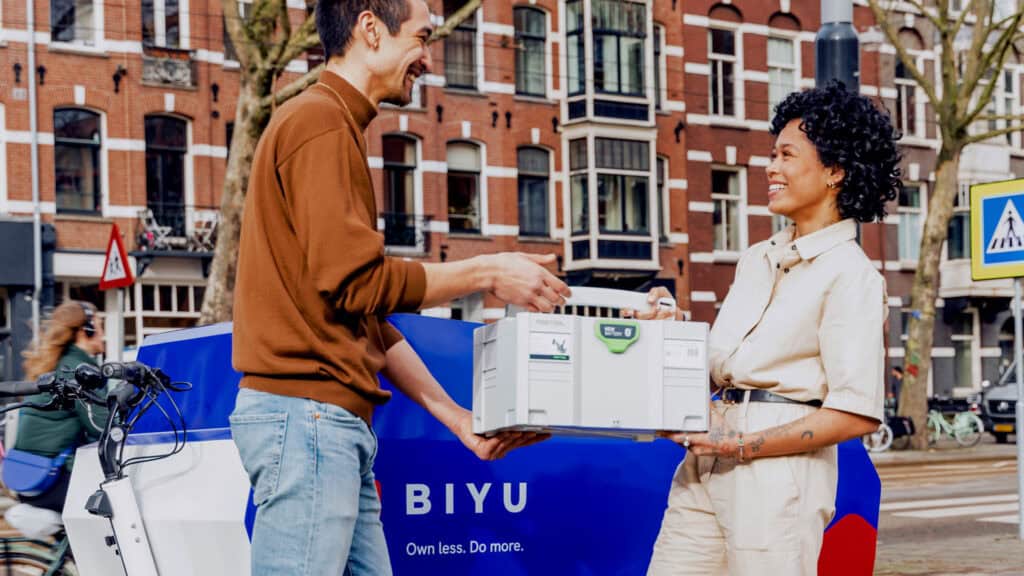
man on Biyu cargo bike

BEYOND

Facts

Mission:
This could potentially replace ownership with access, so that together we can reduce our impact on the Earth without having to go backwards in any way.

Fund: Transition Fund

Contributes to transition:
Digital transition

Contributes to transition:
Circular transition
Contributes to transition:
Digital transition

Contributes to SDG(s):


Addressing overproduction can only succeed if the operation is sustained.

The production of goods accounts for about 70% of global CO2 emissions. That pollution is largely unnecessary, because many things are only used a few times a year, while someone else could have used them in the meantime. More and more people are seeing this and want a circular economy and a small footprint, without having to make any sacrifices.

More and more companies, including BIYU at its founding, are implementing this by not selling new products but offering them through rental, subscription, buyback, or refurbished sales. However, the systems they use, such as traditional webshops, ERP, and warehouse software, are built to sell a product only once. Once a product returns for repair, rental, or resale, that software is no longer suitable.

One system for the entire circular operation

The Amsterdam-based BIYU also experienced this problem and therefore built its own operating system for it. First for its own use, to then transform it in 2024 into a B2B SaaS platform. One platform on which rental, subscription and recommerce companies run their operations: from order and delivery to returns, inspections, repairs and reselling or selling again. Each product has its own history, so it is clear where it is, who owns it, what it cost and what the best next step is.

The platform was therefore created within BIYU’s own operations because nothing existing met the needs. Currently, among others, Homie, Camp Again, Reflower, TLC-Home and Fold Reformer are using it.

man on Biyu cargo bike
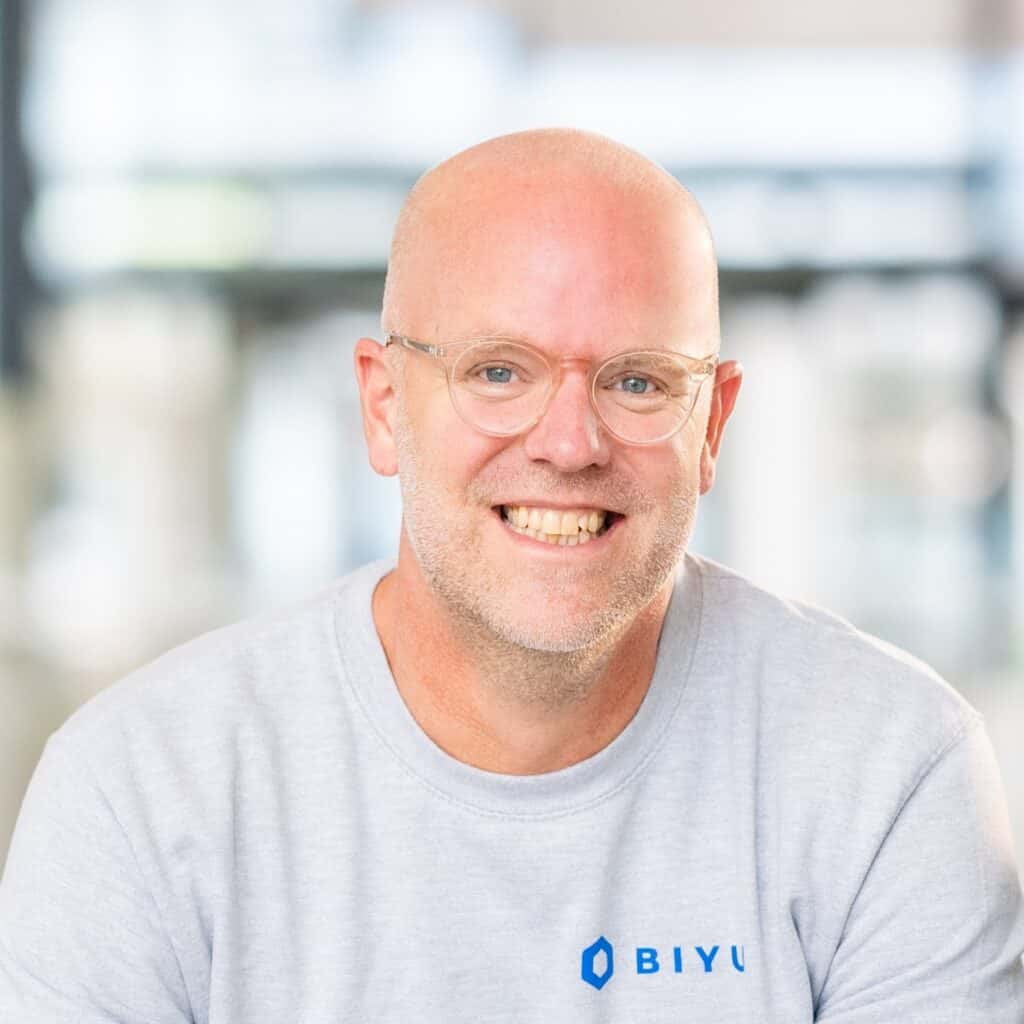
“Renting something is not difficult. Knowing what that one item has delivered to you after three years and what it has cost you in repairs is the real question. As long as companies cannot see that per item, circularity remains an intention rather than a revenue model.”
Frans W. Biegstraaten
Co-Founder & CEO

Investment ROM InWest

By promoting sharing, rental, and reuse, BIYU reduces the need for new products without compromising on convenience and quality. That is why ROM InWest invested in BIYU through its Transition Fund. With the pivot to an operating system model, BIYU can further amplify this impact by enabling and scalable circular business models for other companies. Transition Fund Manager Isabel van Nesselrooij: “Since our investment in 2022, we have seen BIYU grow from a company that promotes circularity itself to a platform that enables circularity for other companies. This is how we make circular impact scalable!”

Circular transition

Innovating in circularity

Digital transition

Innovating in digitalisation

Let you
Inspire

October 5, 2022

New growth capital for 'temporary ownership' company BIYU

News
BIYU BV has raised new growth capital through an investment from ROM InWest, the Rabo Innovation Loan (Rabobank) and a crowdfunding campaign on...

Our
game changers

Our
game-
changers

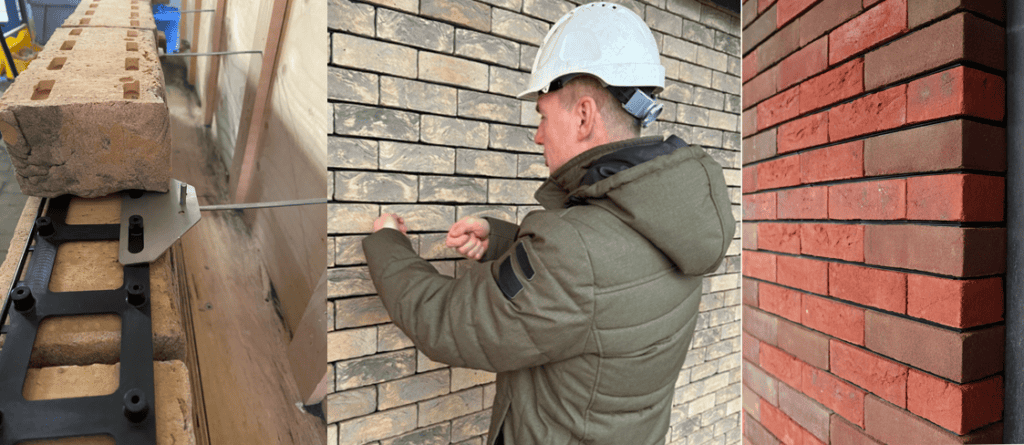
Drystack has developed a circular and demountable dry-stack system for bricks. By replacing cement with a smart click system, Drystack 100% creates circular facades: demountable, reusable, and built in a...

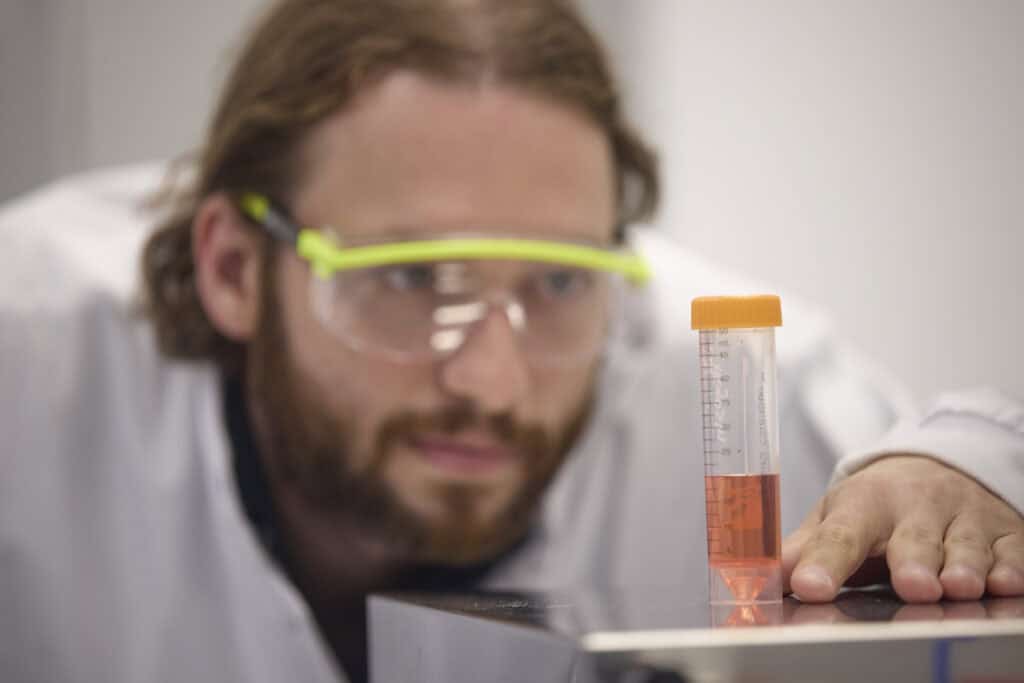
LinXis is developing a technology that allows it to detect and treat fibrosis more specifically. With this, it aims to offer a solution for millions of people worldwide with this serious condition.

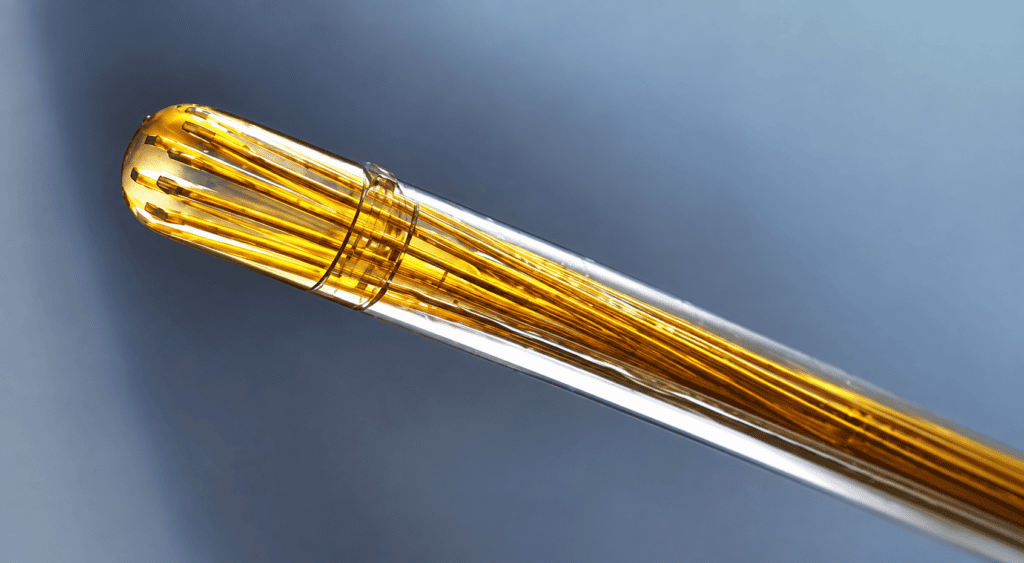
Globally, around 40 million people live with severe blindness. Phosphoenix is developing a brain implant (neuroprosthetic system) that can restore functional vision using AI in people who later in life...

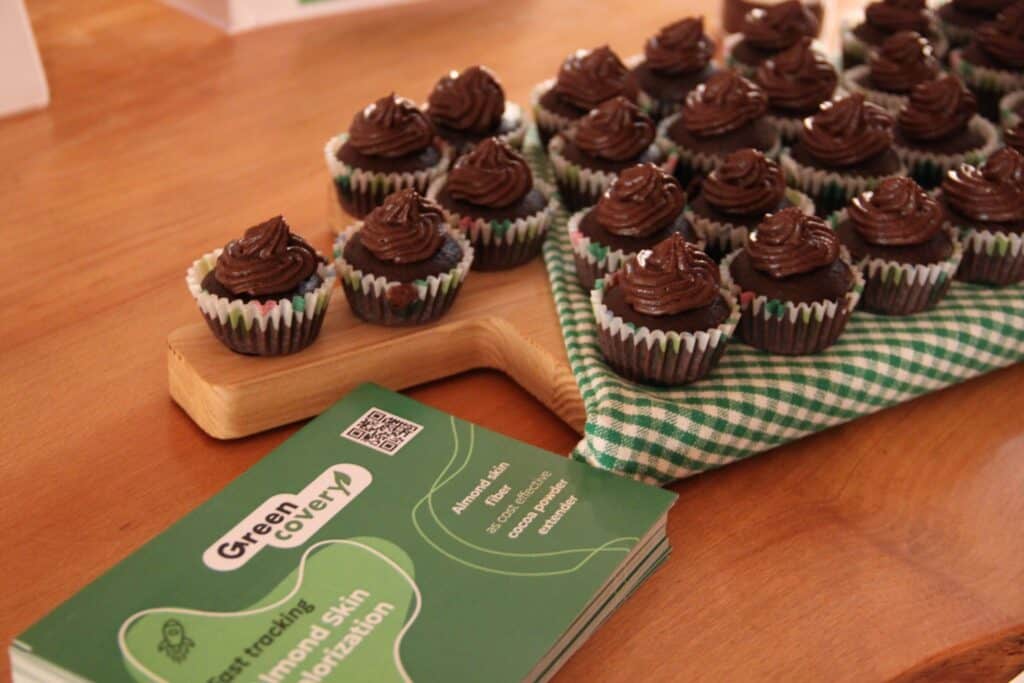
Greencovery has a sustainable solution to reuse residual streams from the food industry and convert them into valuable ingredients. In this way, a cost item, waste processing of residual materials, is transformed into an extra...

Phoenix Metals is an innovative company that recovers valuable raw materials from industrial waste streams such as steel slag, thereby playing an innovative role in the battery market.

Droppie was founded by Natascha Hermsen and Stef Traa and cleverly collects waste via special recycling shops, where consumers receive money for plastic packaging, textiles, cooking oil and...

Root Sustainability develops AI technology that allows retailers to make smart decisions based on product-specific data to concretely reduce the CO2 footprint in their supply chain. Dispersed data is quickly and efficiently...

Methotrexate is currently the most commonly prescribed basic drug for rheumatoid arthritis worldwide. Sixty to eighty per cent of patients receive this drug. The problem, however, is that methotrexate is too...

Stay tuned

Subscribe to our newsletter and stay up to date with news, stories, relevant events and more.