The world of steel structures is changing, and Amsterdam-based MX3D is at the forefront of this transition. The company developed a pioneering technology that allows complex steel objects to be printed in virtually any shape and size. With its own software and advanced robotic systems, MX3D not only makes the production of steel structures simpler and more flexible, but also more sustainable and cost-effective.
This is how MX3D works
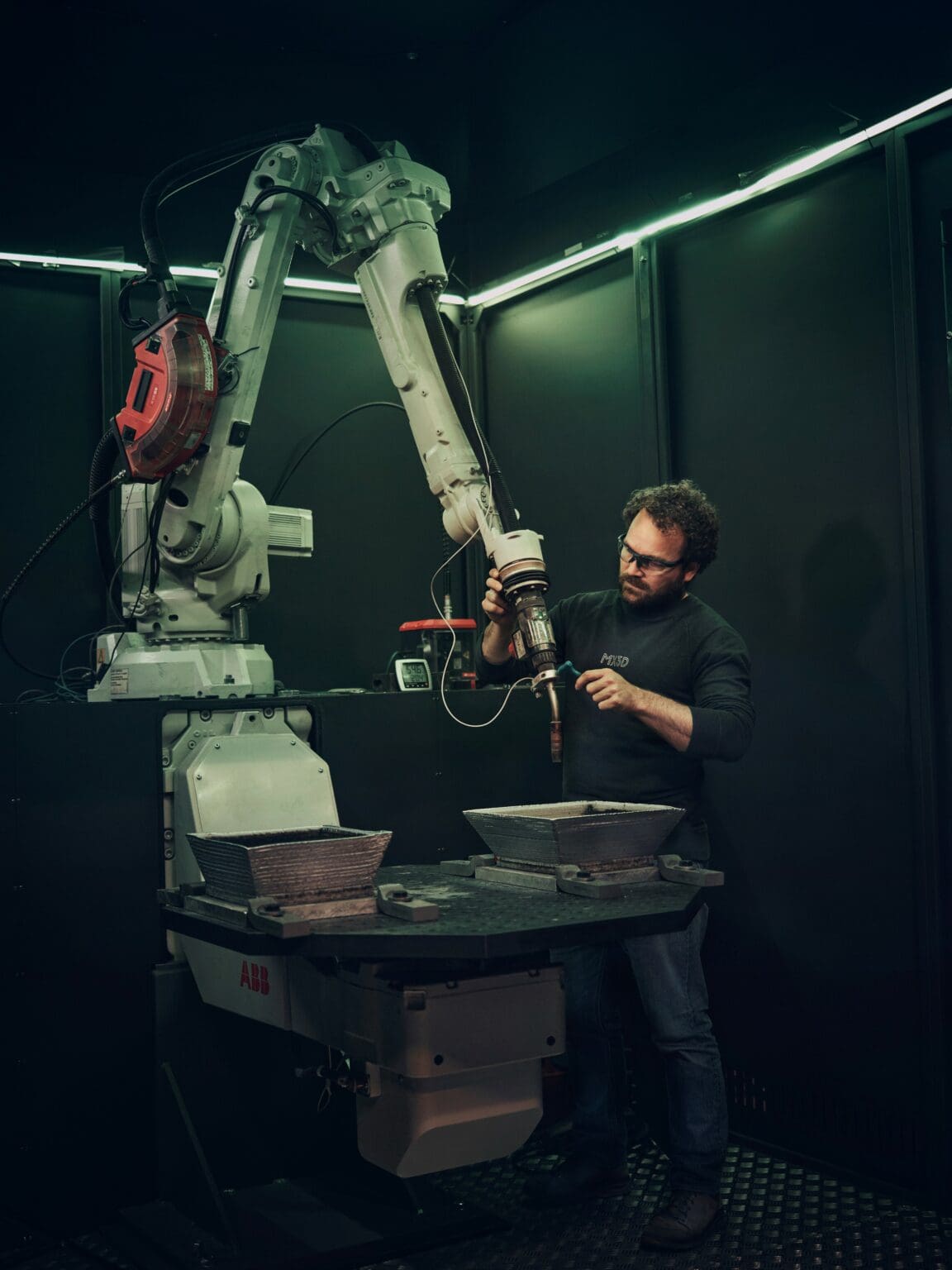
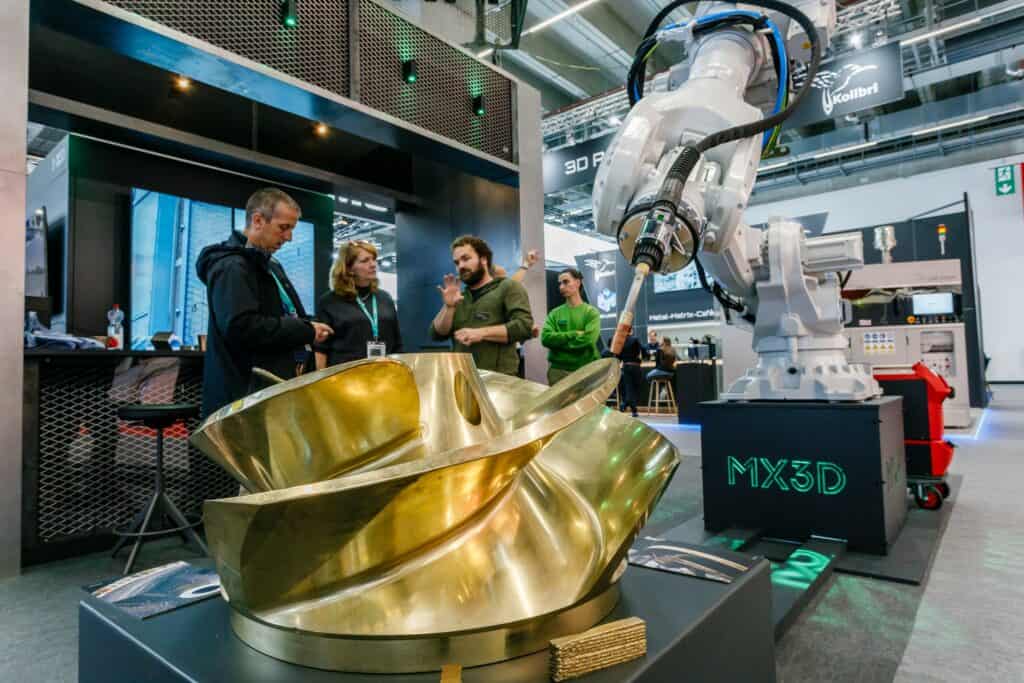
MX3D has developed an innovative metal printing technology that can 3D print steel using industrial robotic arms. This process allows objects to be manufactured without traditional moulds or castings, significantly reducing material waste. The technology is used in a variety of sectors, from construction and infrastructure to marine and industrial applications. An iconic example of their ability is the 3D printed steel bridge over the Amsterdam canal, which attracted worldwide attention as a paragon of technological innovation and sustainability.
The impact
MX3D's deployment of 3D printing technology is having a positive impact on the region and beyond:
● Significant material savings: Targeted steel printing where needed minimises material wastage.
● Reduction of CO2 emissions: the efficient production methodology ensures a lower carbon footprint compared to traditional steel production.
● Local employment and innovation: MX3D's technology encourages collaboration with local partners and knowledge institutions, which strengthens the regional economy and innovative ecosystem.
Collaboration and support
MX3D developed its technology in close cooperation with leading partners such as software developers, engineering firms and knowledge institutions. PDENH's financial support played a crucial role in scaling up the technology and realising projects such as the 3D printed bridge in Amsterdam. Thanks to this collaboration, MX3D can now offer its systems to third parties on a larger scale and is ready to increase its impact internationally.
With their innovative metal printing technology, MX3D proves that sustainability and technological progress can go hand in hand. By printing customised and on-demand steel structures, the company not only contributes to the circular economy, but also to a future-proof and efficient construction sector.
Methotrexate is currently the most commonly prescribed basic drug for rheumatoid arthritis worldwide. Sixty to eighty per cent of patients receive this drug. The problem, however, is that methotrexate is too...
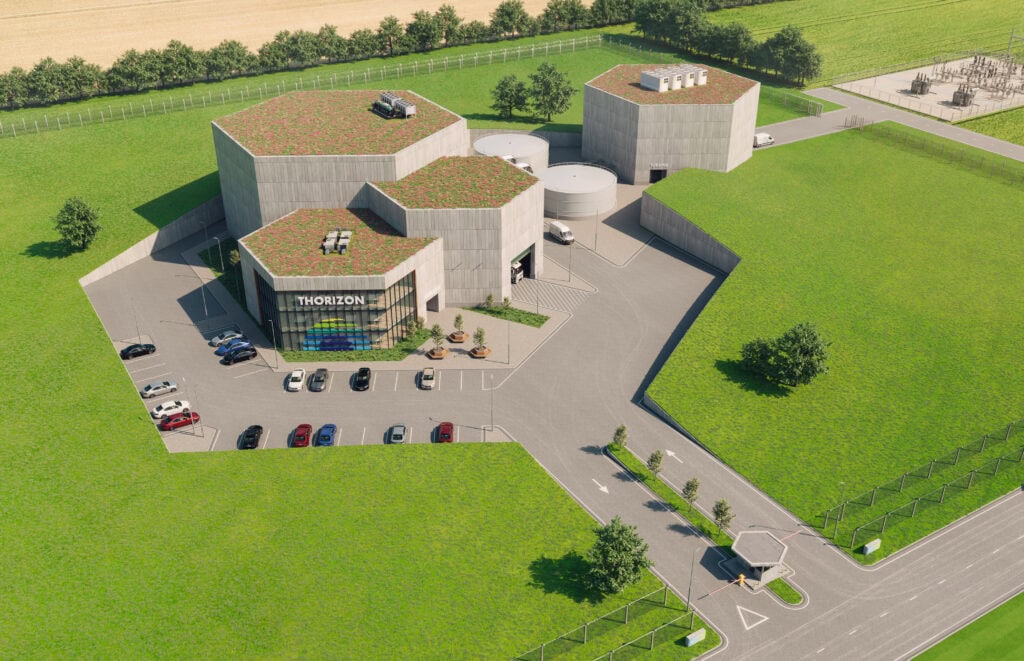
Thorizon is developing an innovative molten salt reactor that converts existing nuclear waste into clean, safe and efficient energy. Thanks to a patented system with interchangeable cartridges, the reactor makes best use of fuel and minimises...
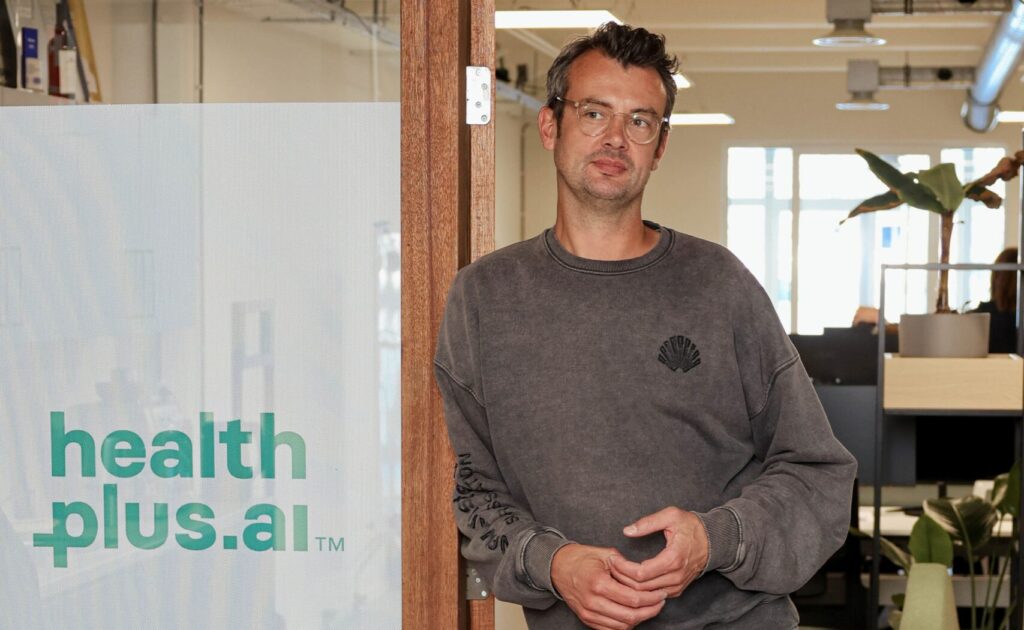
Healthplus.ai is a Dutch MedTech scale-up from Amsterdam. Their AI system PERISCOPE® calculates each patient's risk of infection after surgery and gives the healthcare team clear actions to reduce that risk....
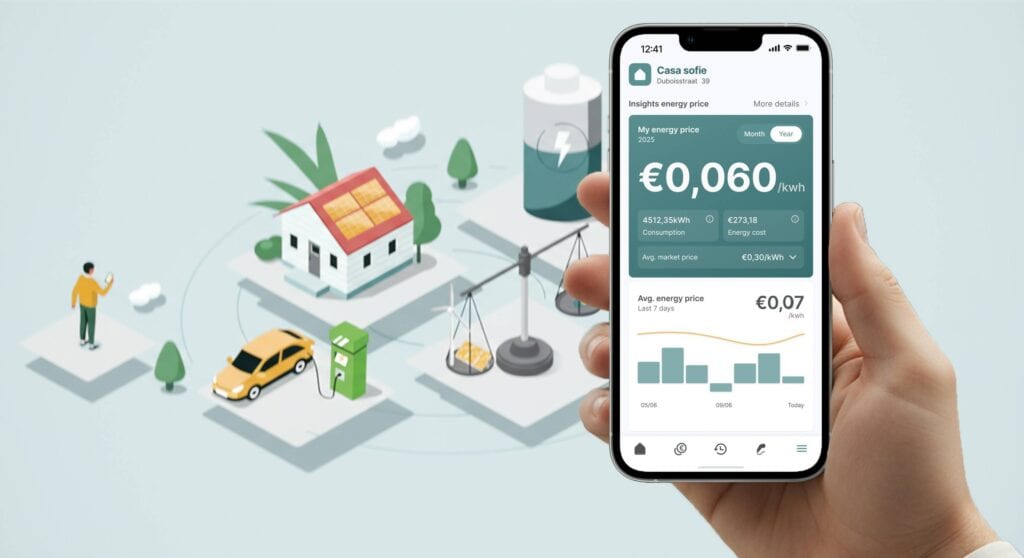
LIFEPOWR cleverly links hundreds of thousands of energy installations, think solar panels, batteries, charging stations and heat pumps. With its software platform FlexiO, the company automatically matches consumption, generation and storage to availability of...
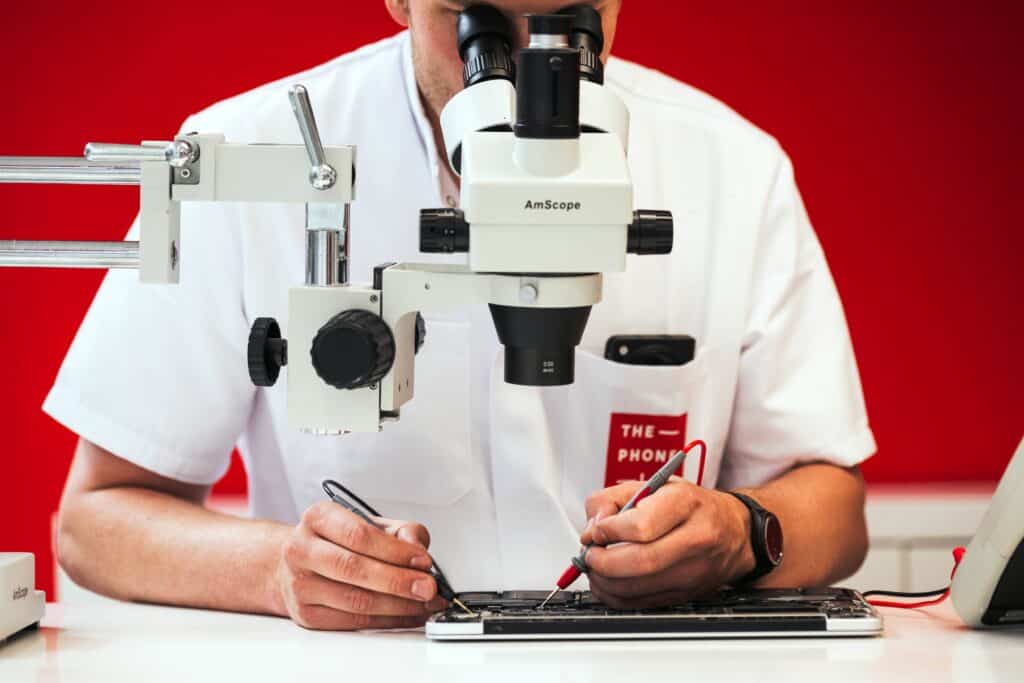
ThePhoneLab shows that sustainability and entrepreneurship can go hand in hand. 38% of consumers still choose to replace a phone in case of damage. ThePhoneLab provides life extension...
HeartEye is a Dutch MedTech startup founded in 2021. HeartEye is developing a mobile device that, in 30 seconds, creates a fully diagnostic 12-channel ECG comparable to the quality of a hospital...
IT support in the field of AI UbiOps is a platform to support software applications that run on artificial intelligence (AI), such as computer vision and natural language processing. Startups, scale-ups and SMEs that do...
The energy market faces a major challenge: balancing supply and demand in an increasingly dynamic system. Traditional methods fall short of addressing the fluctuations of renewable energy sources, such as wind...