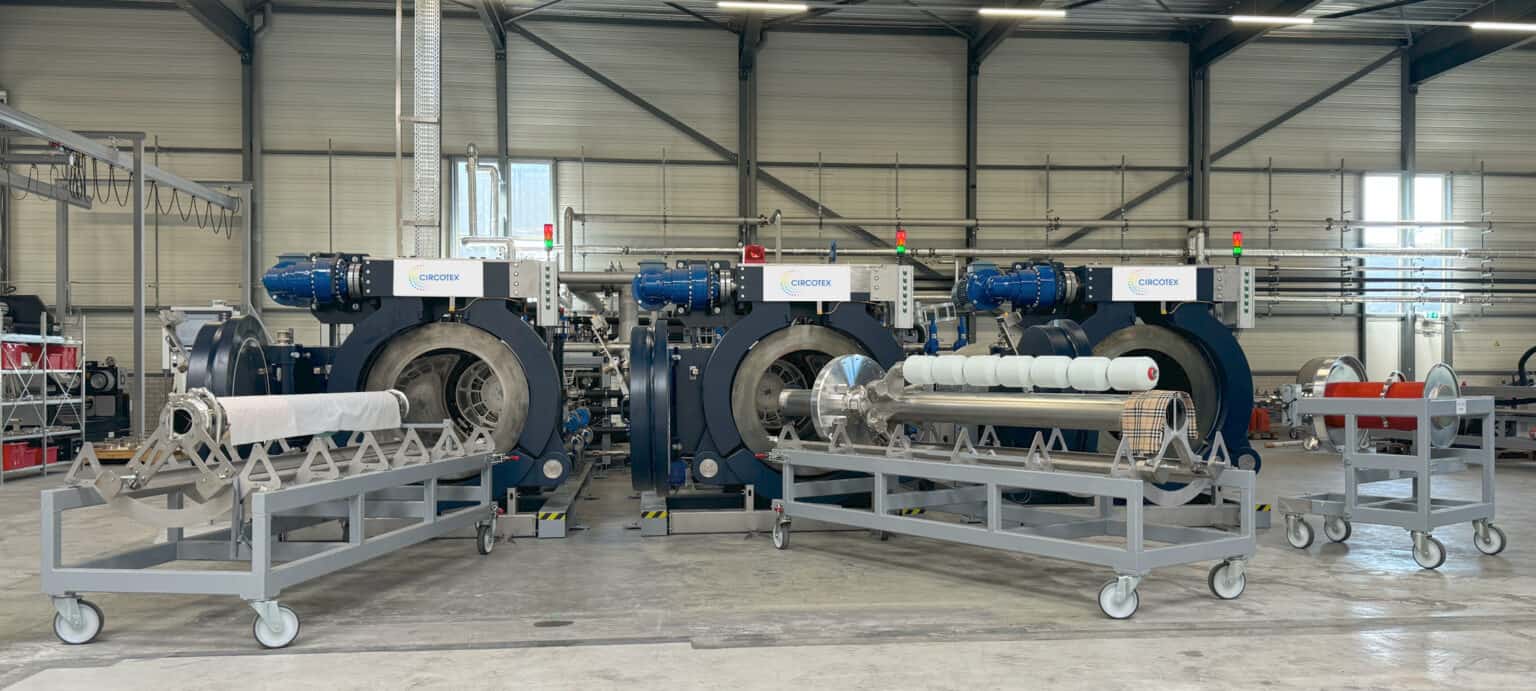
The textile industry is known worldwide for its high water consumption, chemical pollution and CO2 emissions. Traditional dyeing processes consume huge amounts of water and harmful chemicals, with a significant negative impact on people and the environment. Circotex is turning the industry on its head by demonstrating innovative technologies in the Amsterdam Metropolitan Area, which colour and treat textiles without water, without chemical additives and with significantly less energy consumption. In doing so, Circotex contributes to the sustainability of the textile sector as well as the circular economy in Europe.
How Circotex works
Circotex has introduced an innovative dyeing and treatment technology that, among other things, uses supercritical CO2 instead of water and chemicals. This technology allows polyester yarns and fabrics to be dyed without creating waste water. The CO2 is reused after the process, making the system almost fully circular. This reduces CO2 emissions by more than 50% and significantly reduces energy consumption compared to conventional methods.
These technologies are the first in this combination in Europe to be applied in Amsterdam, putting Circotex at the forefront of sustainable textile production and innovation.
The impact
Circotex's innovative approach delivers significant environmental and economic benefits:
● Water savings: 100% water savings compared to traditional colouring techniques.
● CO2 reduction: More than 50% less CO2 emissions due to energy-efficient technologies.
● Circular economy: Promoting a closed loop in textile production by recycling CO2 and reducing chemical waste.
● Economic growth: Stimulating the local economy by building the plant and developing new jobs in the Amsterdam region.
Collaboration and support
The realisation of this sustainable textile dye factory came about thanks to a loan from AKEF, PDENH and DOEN Participations. Since early 2025, the factory in Hoofddorp has been operational and a number of fashion companies have already become customers. Through this joint effort, Circotex proves that innovation and sustainability go hand in hand and play a crucial role in the future of the European textile industry.
With its waterless dyeing technology, Circotex contributes to the transition to a circular economy and a healthier planet for future generations.
Methotrexate is currently the most commonly prescribed basic drug for rheumatoid arthritis worldwide. Sixty to eighty per cent of patients receive this drug. The problem, however, is that methotrexate is too...
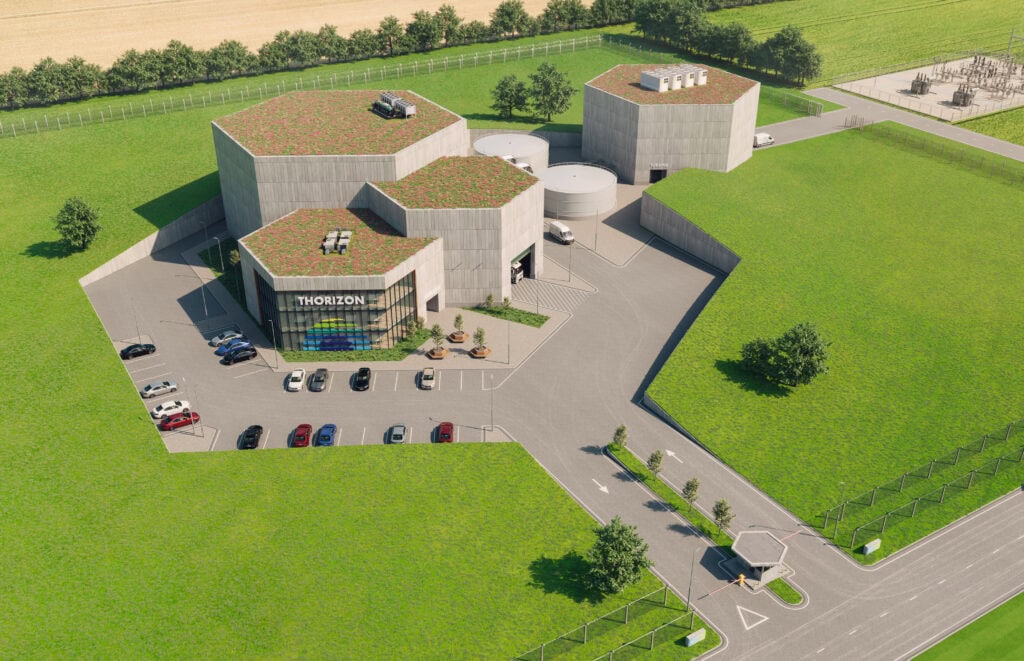
Thorizon is developing an innovative molten salt reactor that converts existing nuclear waste into clean, safe and efficient energy. Thanks to a patented system with interchangeable cartridges, the reactor makes best use of fuel and minimises...
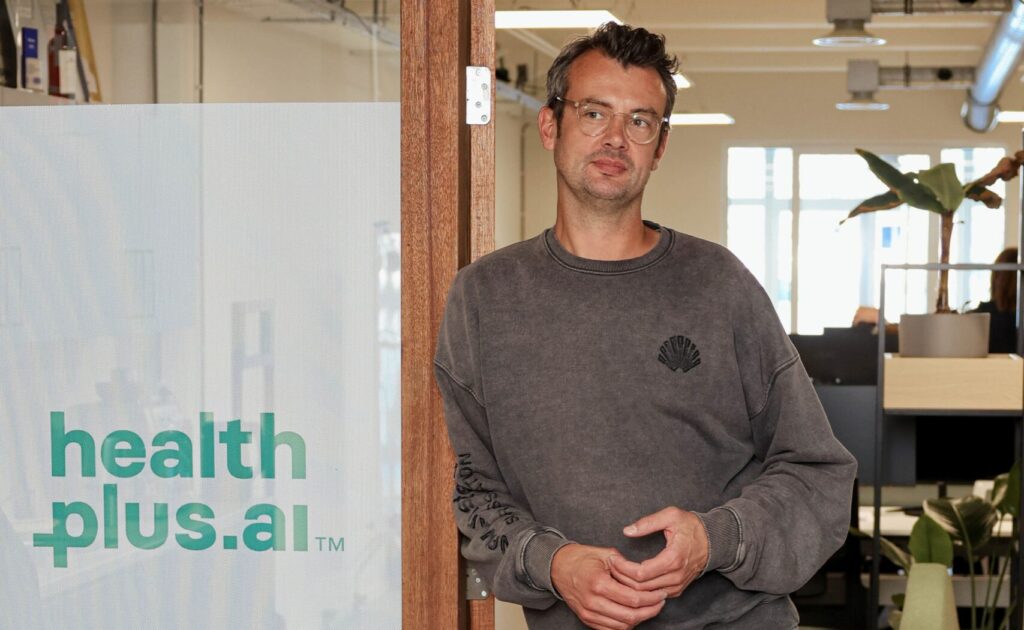
Healthplus.ai is a Dutch MedTech scale-up from Amsterdam. Their AI system PERISCOPE® calculates each patient's risk of infection after surgery and gives the healthcare team clear actions to reduce that risk....
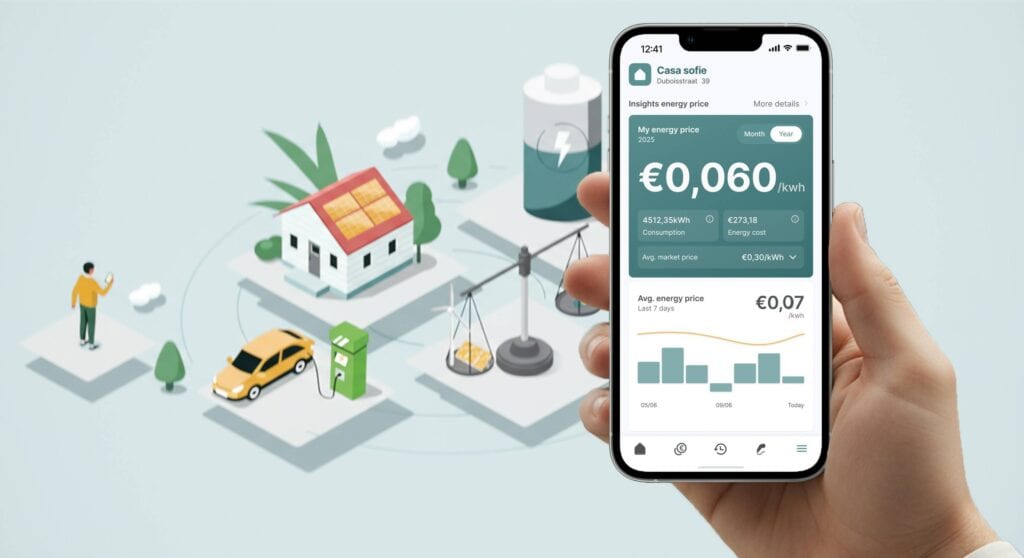
LIFEPOWR cleverly links hundreds of thousands of energy installations, think solar panels, batteries, charging stations and heat pumps. With its software platform FlexiO, the company automatically matches consumption, generation and storage to availability of...
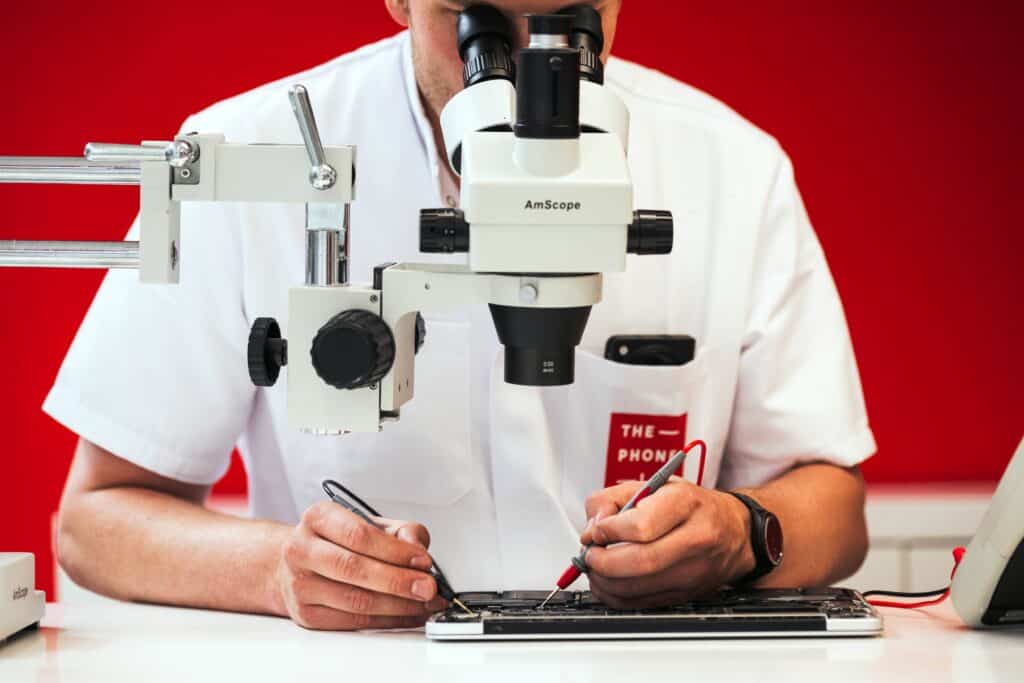
ThePhoneLab shows that sustainability and entrepreneurship can go hand in hand. 38% of consumers still choose to replace a phone in case of damage. ThePhoneLab provides life extension...
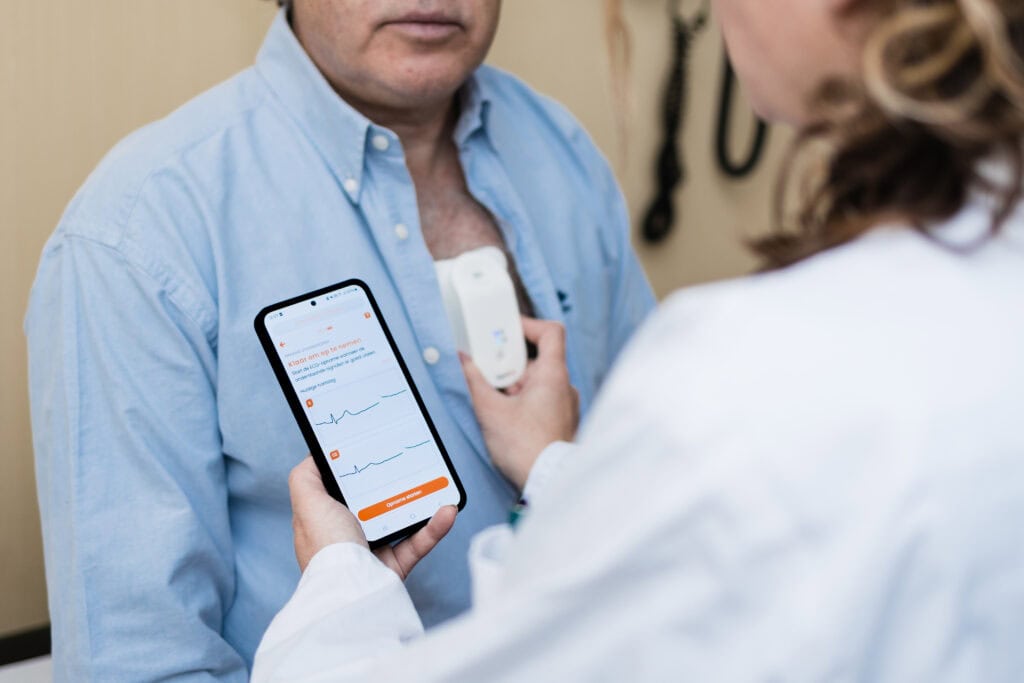
HeartEye is a Dutch MedTech startup founded in 2021. HeartEye is developing a mobile device that, in 30 seconds, creates a fully diagnostic 12-channel ECG comparable to the quality of a hospital...
IT support in the field of AI UbiOps is a platform to support software applications that run on artificial intelligence (AI), such as computer vision and natural language processing. Startups, scale-ups and SMEs that do...
The energy market faces a major challenge: balancing supply and demand in an increasingly dynamic system. Traditional methods fall short of addressing the fluctuations of renewable energy sources, such as wind...