This is how Smart Energy Hubs work for our region
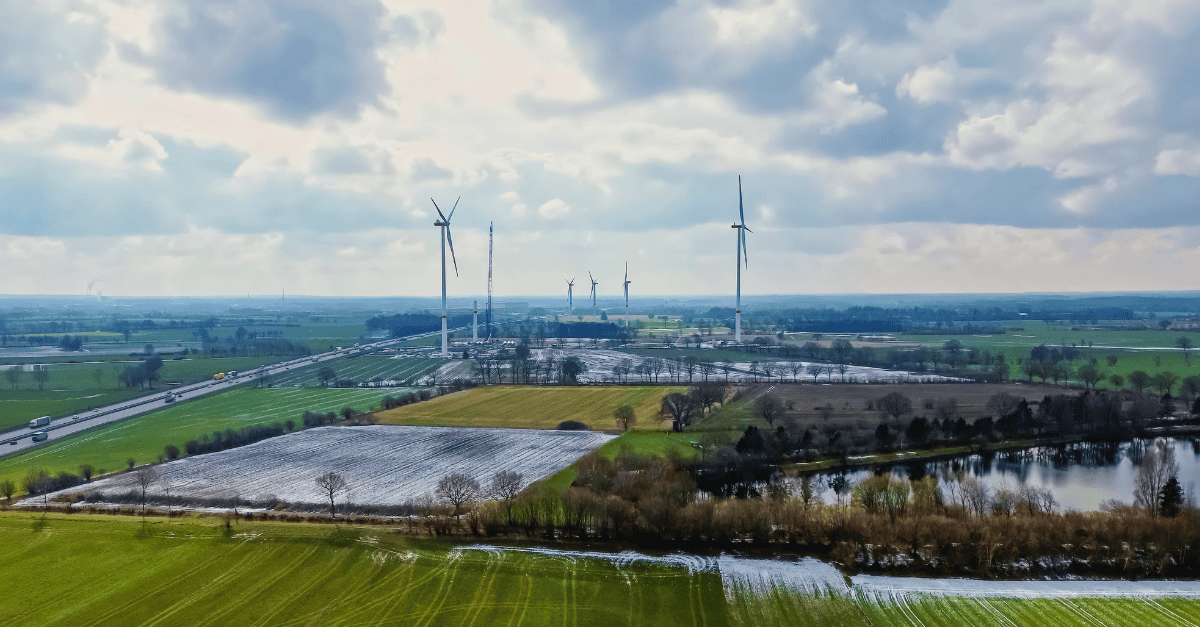
The idea of a Smart Energy Hub is simple: companies in and around a business park bundle their wholesale connections and coordinate their energy consumption. This makes better use of the grid capacity on the - quite overloaded - energy network. This is done within the existing infrastructure, without the need for new cables or stations. As a result, more energy becomes available for companies, giving them opportunities to expand their business activities, build new premises and become more sustainable. This promotes both economic development and energy transition in our region. However, the realisation of a Smart Energy Hub is complex in practice. The province has therefore asked ROM InWest to investigate how entrepreneurs can be helped financially to actually get a Smart Energy Hub off the ground.
This is how we stand
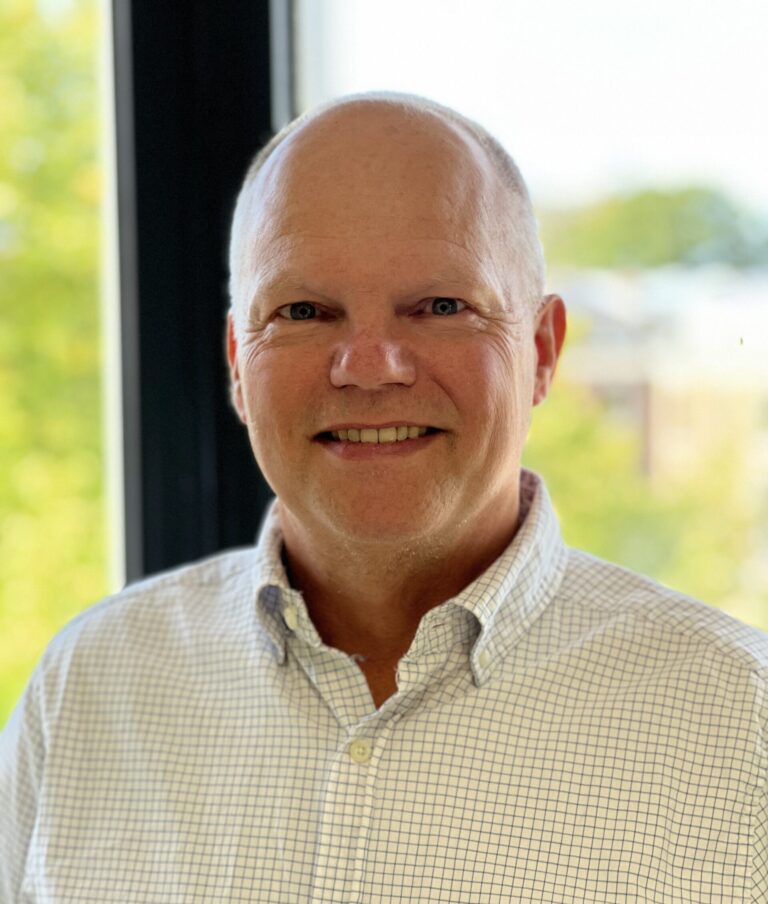
Paul Hauptmeijer, quartermaster Smart Energy Hubs at ROM InWest: “There are currently 21 Smart Energy Hubs in North Holland that are actively supervised by directors from the province. Companies, municipalities and grid operators are cooperating fully in these. Most of these hubs are still in the exploratory or planning phase. Companies unite in a cooperative and to legally lay down their cooperation with the grid operator in a so-called group transport agreement (GTO). Participants share one connection and one capacity limit, as it were, and are jointly and severally liable if that limit is exceeded. This requires a lot of mutual trust. Moreover, the GTO is still under development and will only be offered in pilot form until the end of 2026. So it is a complex process that requires customisation and good guidance.”
ROM InWest helps accelerate
Funding plays an important role in the creation of a Smart Energy Hub. Almost all initiatives are still in an early, exploratory phase, where a cooperative has just been established or not yet. This is precisely when financial support is needed, while banks usually only step in when their own funds are already available. Paul Hauptmeijer: “New cooperatives often do not yet have those own funds. That is why we have investigated how we can help energy cooperatives obtain financing at an early stage, for instance through subsidies. For instance, we will soon be launching a subsidy scan with relevant subsidies for 2026 that will provide cooperatives with a financial basis to move faster towards realisation. Once actual investment in assets, or shares, is required, ROM InWest can step in as an investor.”
Thinking about financing
It would be good if ROM InWest thinks along with cooperatives of Smart Energy Hubs about their financing at an early stage, such as testing and adjusting financing conditions together in concrete practical cases. This happens, for example, at Baanstee Noord, a business park in Purmerend near the A7 motorway. At this business park, a group of entrepreneurs is ready to work together. The municipality, businesses and grid operator have mutual trust and the grid operator is willing to offer a pilot GTO. Unfortunately, the construction of a new electricity substation has been delayed so the pilot GTO cannot start yet. In the meantime, work continues on the plans. “The financing of this initiative will be on the table no matter what,” said Hauptmeijer. “This is why we are already thinking along with the companies in this cooperative, so that we can support them more quickly when the technical and legal puzzle is put in place.”
Creating space for future activity
Participation in a Smart Energy Hub requires a wholesale connection. Yet the impact is much broader. “When large consumers reduce their peak demand, it creates space on the grid for other companies. This strengthens the business climate in North Holland for start-ups, scaleups and innovative SMEs” says Hauptmeijer.
Even more opportunities
According to Paul Hauptmeijer, Smart Energy Hubs also offer opportunities beyond electricity. “Within the cooperative, for example, heat can also be shared. Production processes of factories and cold stores often release a lot of residual heat. Companies that have heat left over can share it via a heat network with companies that actually need heat. This has great impact, as 70 to 80 per cent of energy consumption involves heat. Heat networks reduce CO₂ emissions (because less gas is consumed) and may also reduce pressure on the electricity grid. By using energy smartly, Smart Energy Hubs offer plenty of opportunities for a more sustainable and future-proof economy in North Holland. An important development to which ROM InWest is happy to contribute.”