Sustainable denim: from waste to valuable raw material
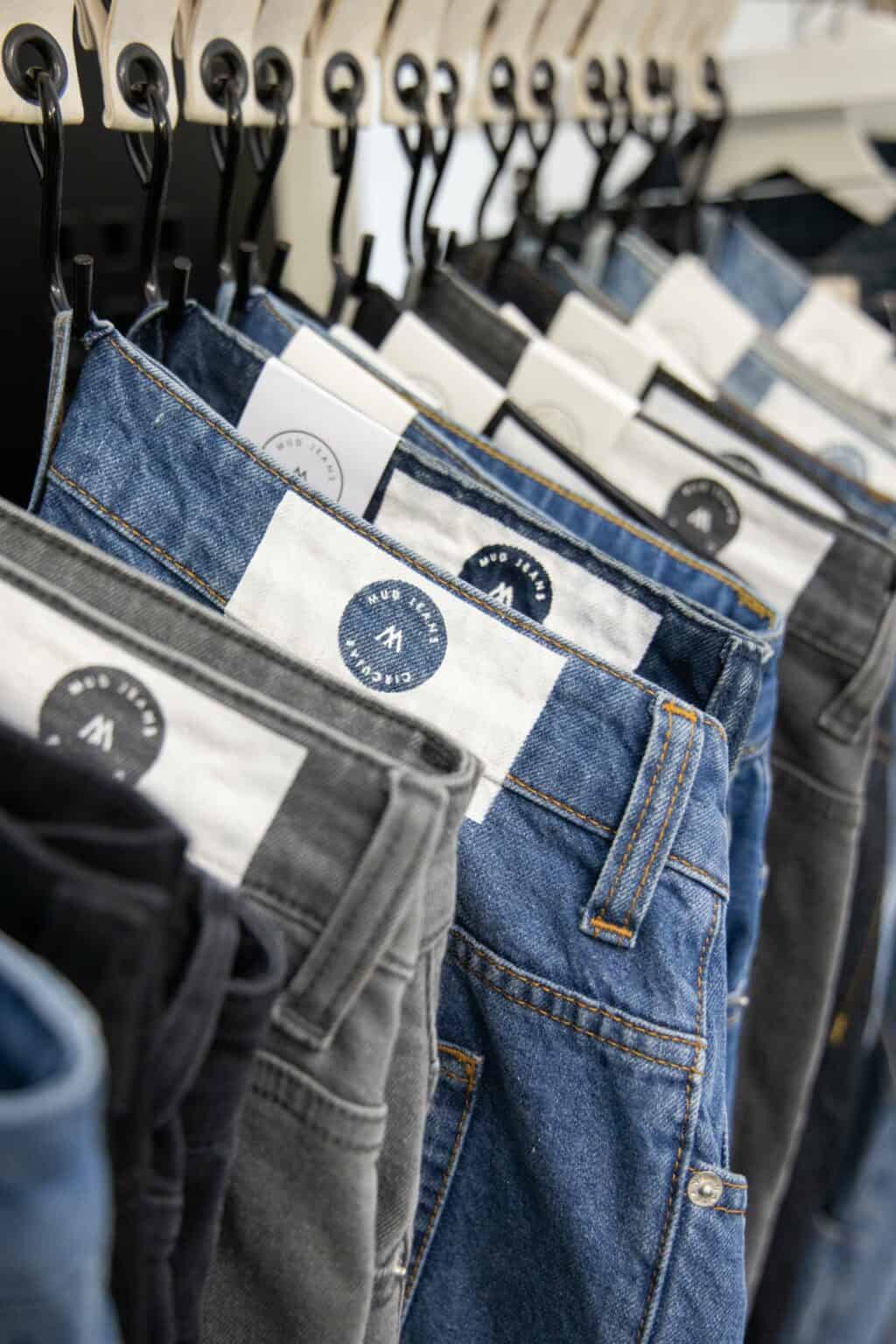
Currently, up to 40% of the raw materials used in MUD's jeans consist of post-consumer recycled material - or fabrics that have actually been worn and reused. No cutting waste (pre-consumer) is used. Thanks to an investment from PDENH, MUD Jeans aims to increase this percentage to 65% by 2025 and 100% by 2026.
This is how MUD Jeans works
MUD Jeans has developed an advanced recycling process whereby worn jeans are recycled into new denim fabric. Customers can return their old jeans, after which the fibres are reused in new products. This circular approach drastically reduces the use of new cotton, leading to significant savings in water, energy and carbon emissions. Moreover, at MUD Jeans, customers can opt for a unique ‘lease-a-jeans’ model: for a fixed amount per month, they contribute to a sustainable fashion industry.
The impact
MUD Jeans' innovative approach is having a positive impact on the region and beyond:
● CO₂ reduction: using recycled cotton saves 47% of CO₂: more than 250 tonnes of CO₂ emissions annually.
● Water savings: The production of a new pair of jeans requires an average of 7,000 litres of water. MUD Jeans saves up to 94% (MUD uses between 400-500 litres) on water consumption with its circular process. Per year, this amounts to about 50 million litres of water. That is equivalent to showering about 830,000 times.
● Awareness and behavioural change: through the leasing concept, customers are encouraged to be aware of their clothing consumption and see that recycling is possible.
Collaboration and support
MUD Jeans' ability to grow and innovate has been made possible by collaborating with various partners, including recycling companies, textile experts and investment fund PDENH. The financial support allowed the company to further optimise its recycling process and expand into new markets such as Scandinavia, Spain and the UK. Thus, MUD Jeans shows that sustainable, stylish fashion is not only necessary, but also economically feasible and innovative.
MUD Jeans proves that circularity is the future: with innovative technologies, a clear mission, a strong focus on impact and a highly attractive collection, the company is building a sustainable fashion world without waste.
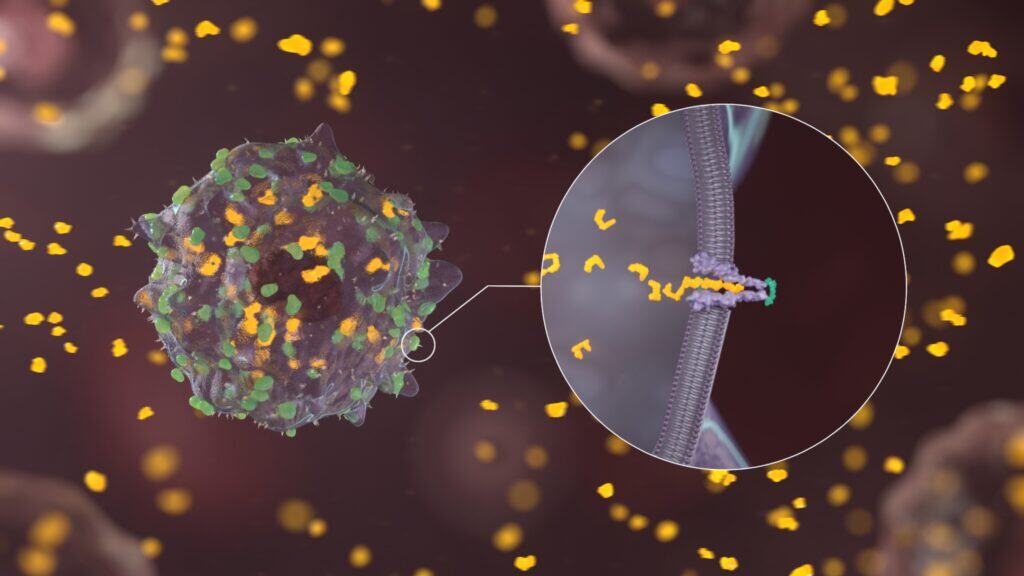
Methotrexate is currently the most commonly prescribed basic drug for rheumatoid arthritis worldwide. Sixty to eighty per cent of patients receive this drug. The problem, however, is that methotrexate is too...
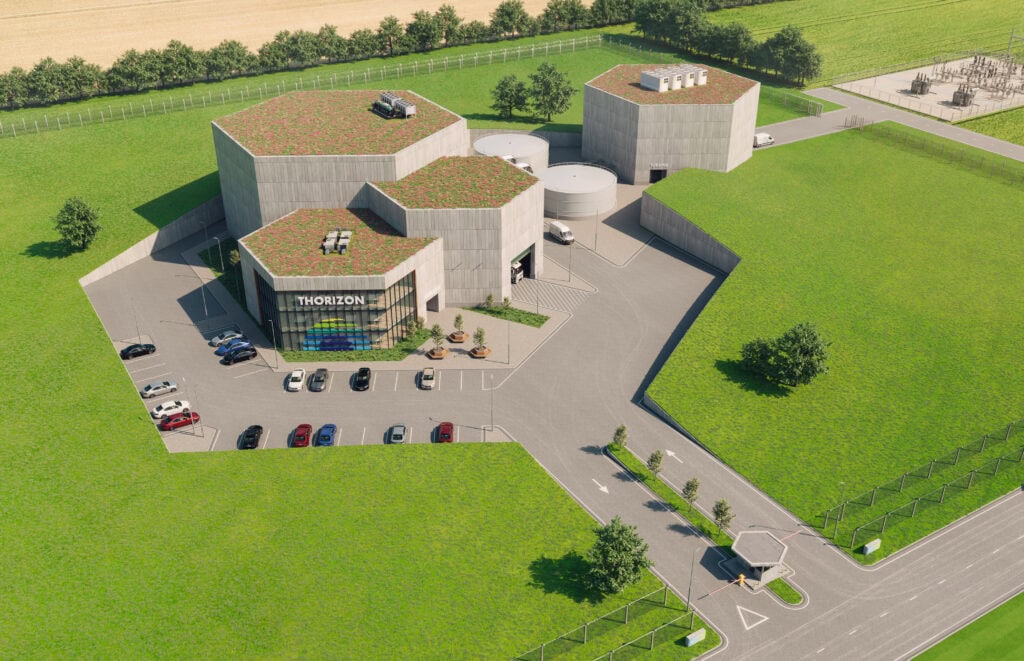
Thorizon is developing an innovative molten salt reactor that converts existing nuclear waste into clean, safe and efficient energy. Thanks to a patented system with interchangeable cartridges, the reactor makes best use of fuel and minimises...
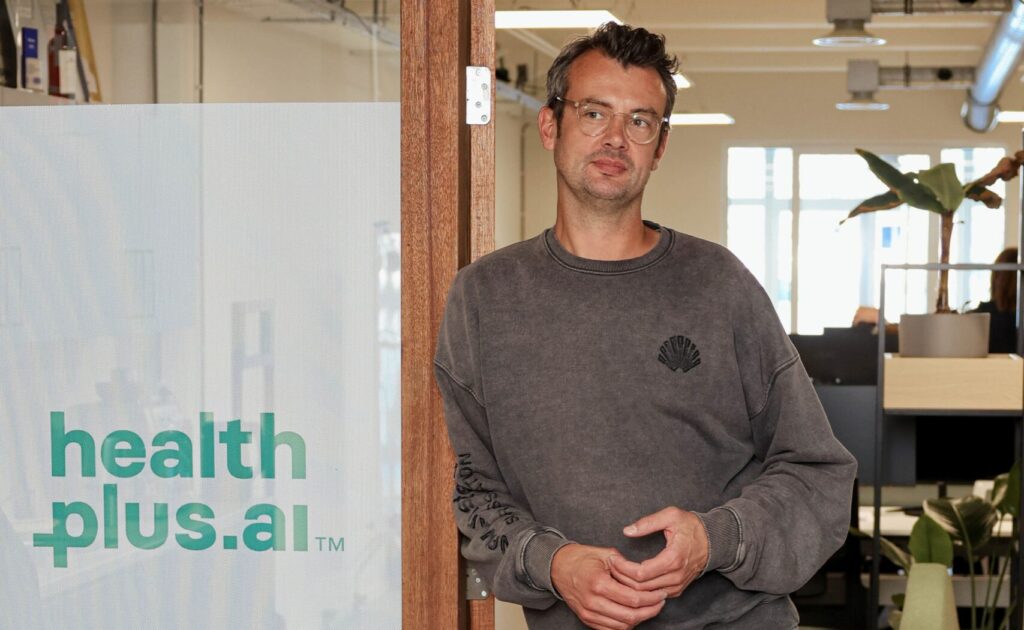
Healthplus.ai is a Dutch MedTech scale-up from Amsterdam. Their AI system PERISCOPE® calculates each patient's risk of infection after surgery and gives the healthcare team clear actions to reduce that risk....
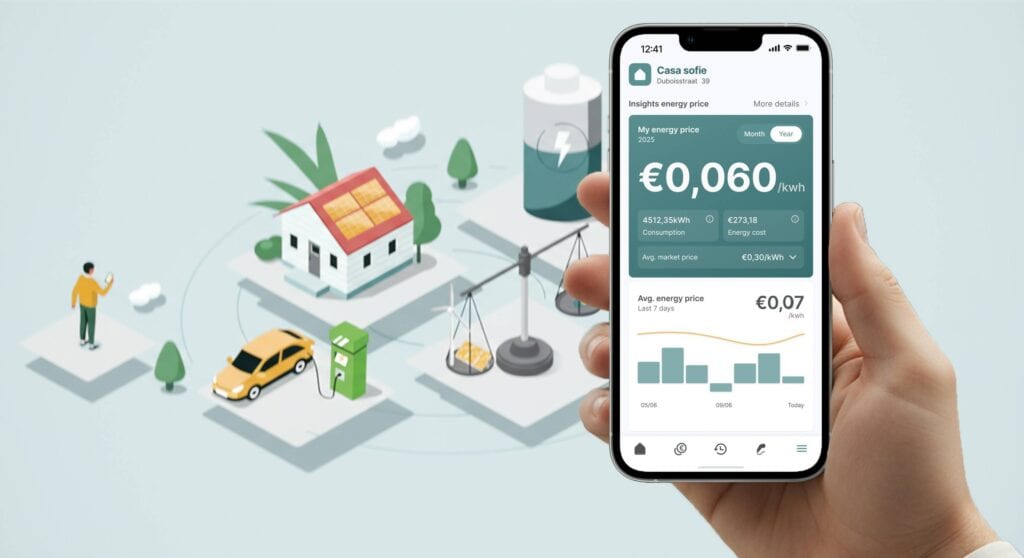
LIFEPOWR cleverly links hundreds of thousands of energy installations, think solar panels, batteries, charging stations and heat pumps. With its software platform FlexiO, the company automatically matches consumption, generation and storage to availability of...
ThePhoneLab shows that sustainability and entrepreneurship can go hand in hand. 38% of consumers still choose to replace a phone in case of damage. ThePhoneLab provides life extension...
HeartEye is a Dutch MedTech startup founded in 2021. HeartEye is developing a mobile device that, in 30 seconds, creates a fully diagnostic 12-channel ECG comparable to the quality of a hospital...
IT support in the field of AI UbiOps is a platform to support software applications that run on artificial intelligence (AI), such as computer vision and natural language processing. Startups, scale-ups and SMEs that do...
The energy market faces a major challenge: balancing supply and demand in an increasingly dynamic system. Traditional methods fall short of addressing the fluctuations of renewable energy sources, such as wind...