The chemical sector faces an important task: making production processes and raw materials more sustainable to minimise climate impact and reduce fossil dependence. ChainCraft, a spin-off from Wageningen University & Research, tackles this challenge with an innovative technology that converts organic residual waste into high-quality, biobased fatty acids. These fatty acids are a sustainable alternative to palm oil and petrochemical feedstock, with applications in the chemical and animal feed industries.
Innovative fermentation technology
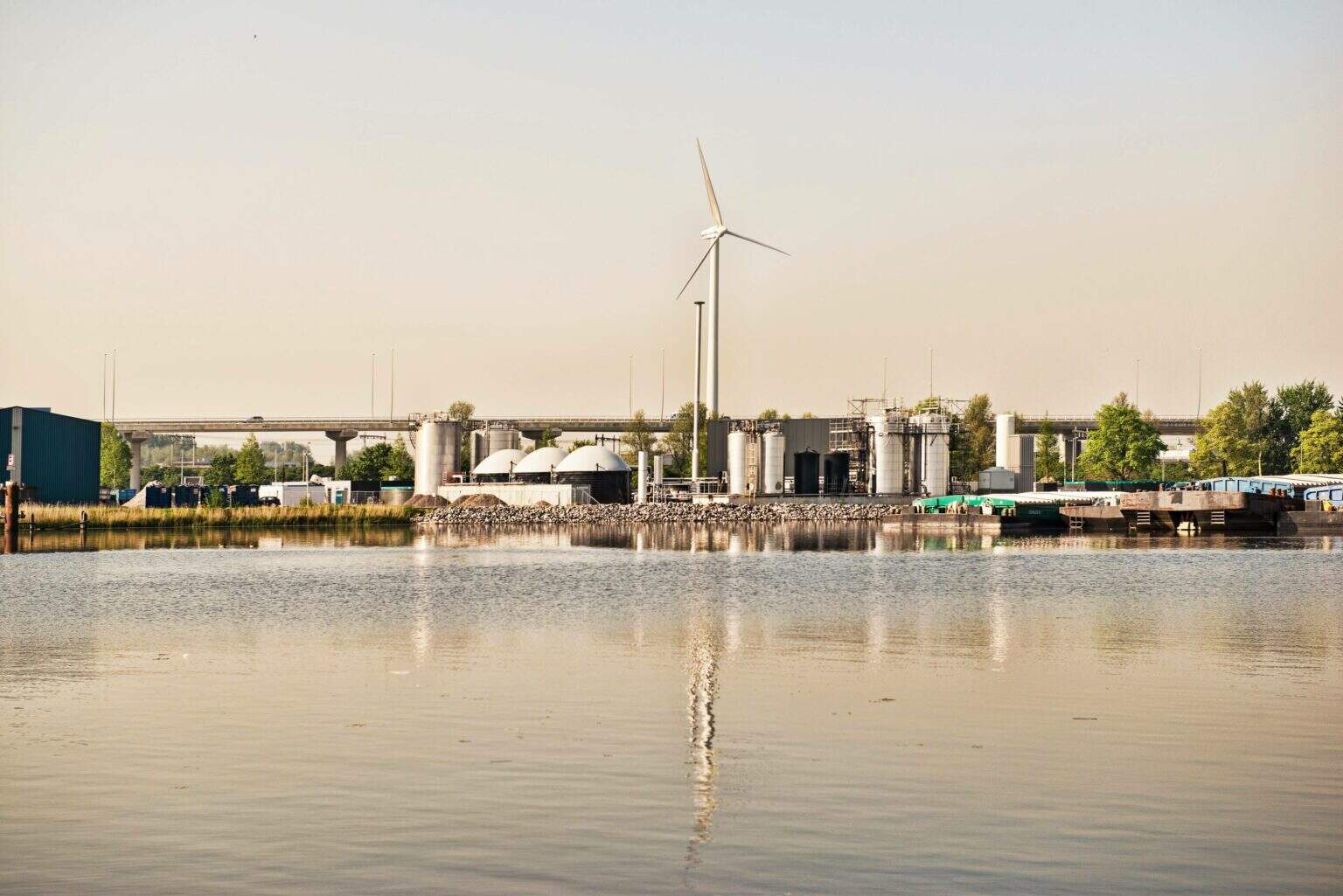
ChainCraft has developed an innovative fermentation technology that efficiently converts organic residual waste, such as food waste and agricultural by-products, into medium-sized fatty acids. At their demonstration plant in the Amsterdam port area, a significant amount of residual material is processed into sustainable feedstock every year. These biobased fatty acids can be used in a variety of products, from animal feed to bioplastics, offering a concrete solution to the polluting production processes that still lean on fossil raw materials.
The Impact
ChainCraft's innovative manufacturing technology contributes to a more sustainable future in several ways:
● Circular waste cycle: residual organic waste is given a second life as raw material, conserving natural resources and reducing waste.
● Saving CO₂ emissions: the technology contributes to reducing greenhouse gas emissions and supports the achievement of climate goals. At maximum capacity, the demonstration plant will save around 6 million kilograms of CO₂ per year.
● Economic boost for the region: The construction and operation of the demonstration plant in the Amsterdam port area will create jobs and strengthen the circular economy in the region.
Collaboration and support
The development of this technology was made possible partly through collaboration with Wageningen University & Research and financial support from PDENH. This investment enabled ChainCraft to realise the demonstration plant in the North Holland region and test and scale up the technology on an industrial scale. This collaboration underlines the importance of public-private initiatives to accelerate innovations and implement sustainable solutions.
Methotrexate is currently the most commonly prescribed basic drug for rheumatoid arthritis worldwide. Sixty to eighty per cent of patients receive this drug. The problem, however, is that methotrexate is too...
Thorizon is developing an innovative molten salt reactor that converts existing nuclear waste into clean, safe and efficient energy. Thanks to a patented system with interchangeable cartridges, the reactor makes best use of fuel and minimises...
Healthplus.ai is a Dutch MedTech scale-up from Amsterdam. Their AI system PERISCOPE® calculates each patient's risk of infection after surgery and gives the healthcare team clear actions to reduce that risk....
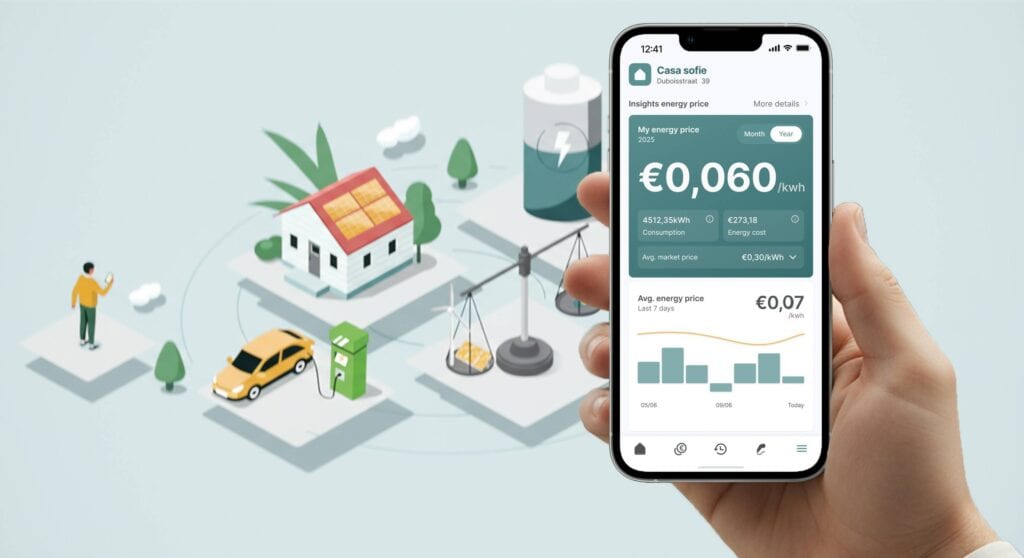
LIFEPOWR cleverly links hundreds of thousands of energy installations, think solar panels, batteries, charging stations and heat pumps. With its software platform FlexiO, the company automatically matches consumption, generation and storage to availability of...
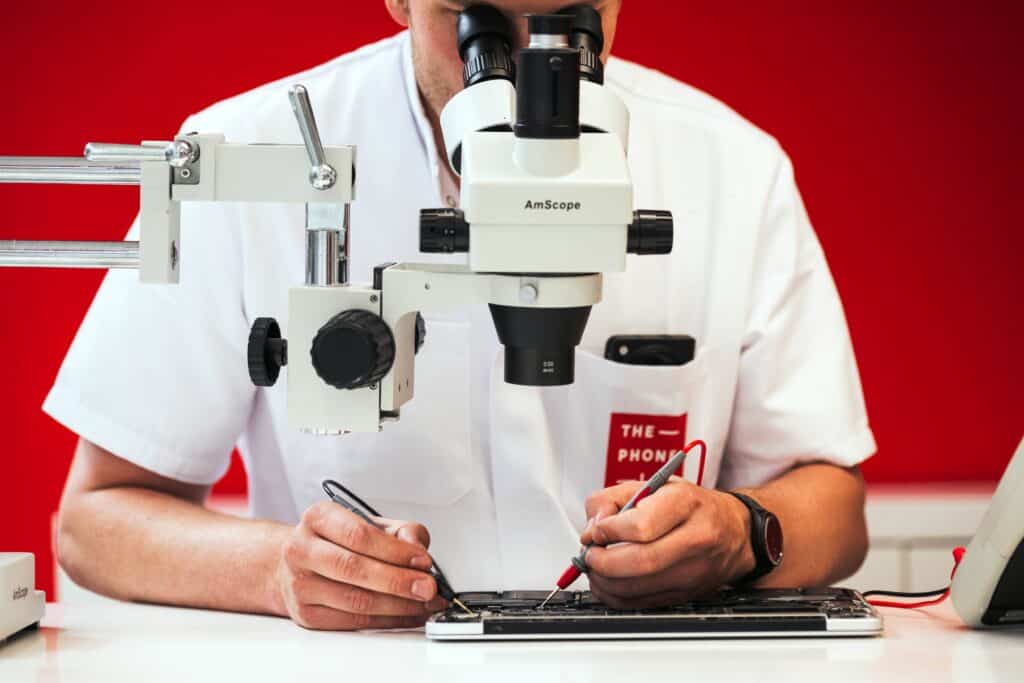
ThePhoneLab shows that sustainability and entrepreneurship can go hand in hand. 38% of consumers still choose to replace a phone in case of damage. ThePhoneLab provides life extension...
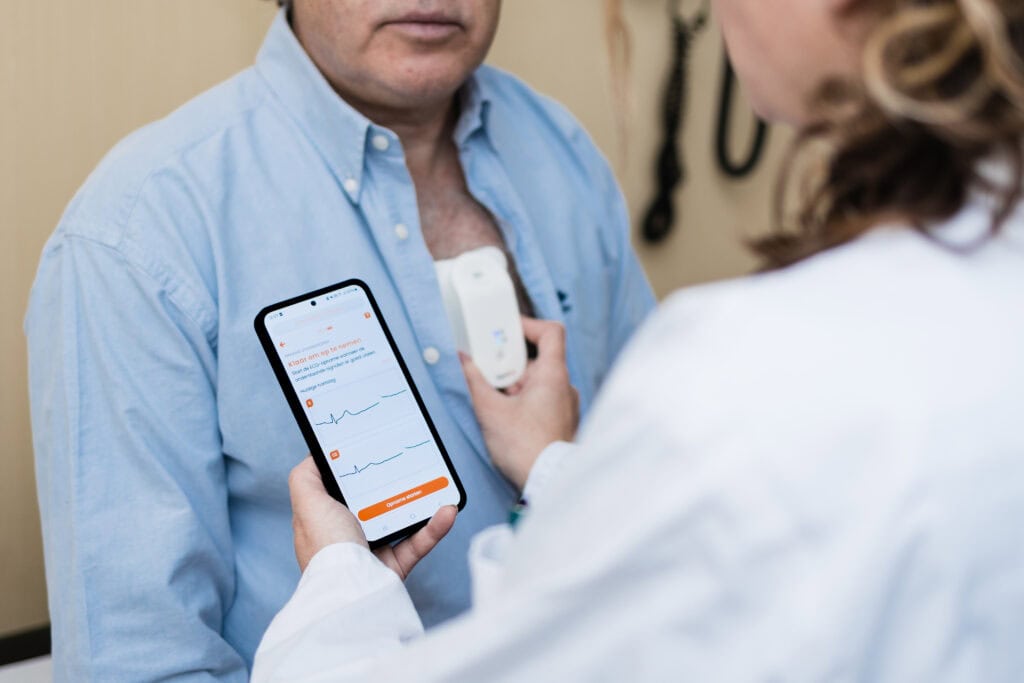
HeartEye is a Dutch MedTech startup founded in 2021. HeartEye is developing a mobile device that, in 30 seconds, creates a fully diagnostic 12-channel ECG comparable to the quality of a hospital...
IT support in the field of AI UbiOps is a platform to support software applications that run on artificial intelligence (AI), such as computer vision and natural language processing. Startups, scale-ups and SMEs that do...
The energy market faces a major challenge: balancing supply and demand in an increasingly dynamic system. Traditional methods fall short of addressing the fluctuations of renewable energy sources, such as wind...